The Ultimate Guide To Companion Planting For Tomatoes
The Ultimate Guide to Companion Planting for Tomatoes
Tomatoes are a popular garden vegetable that can be grown in a variety of climates. They are relatively easy to care for, but there are a few things you can do to improve their growth and productivity. One of the best ways to do this is to use companion planting.
Companion planting is the practice of planting certain types of plants together to benefit each other. Some plants help to repel pests, while others attract beneficial insects. Some plants improve the soil quality, while others help to shade or support each other.
There are many different companion plants that can be beneficial for tomatoes. Some of the most popular include:
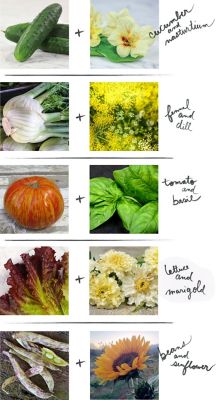
- Basil: Basil is a classic companion plant for tomatoes. It helps to repel pests such as aphids, whiteflies, and tomato hornworms. It also improves the flavor of tomatoes.
- Marigolds: Marigolds help to repel nematodes, which can damage tomato roots. They also attract beneficial insects such as ladybugs and lacewings.
- Onions: Onions help to deter pests such as aphids, thrips, and spider mites. They also help to improve the flavor of tomatoes.
- Borage: Borage attracts beneficial insects such as bees and butterflies. It also helps to improve the soil quality.
- Squash: Squash helps to suppress weeds and improve the soil quality. It also provides shade for tomato plants.
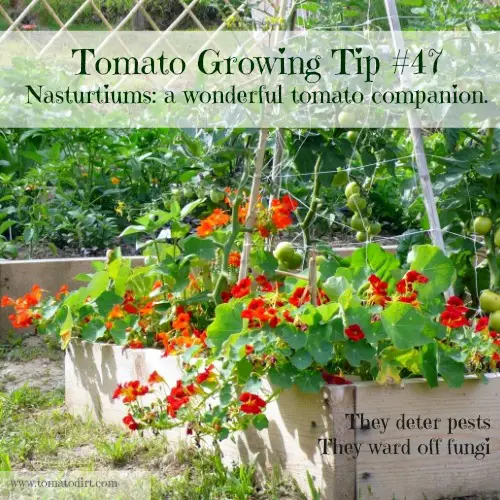
- Nasturtiums: Nasturtiums help to attract beneficial insects such as ladybugs and lacewings. They also deter pests such as aphids and whiteflies.
- Parsley: Parsley helps to attract beneficial insects such as hoverflies and lacewings. It also improves the flavor of tomatoes.
When choosing companion plants for tomatoes, it is important to consider the specific needs of your plants. For example, tomatoes need full sun, so you will want to choose companion plants that also thrive in full sun. You will also want to consider the size of your plants. If you are growing tall tomato plants, you will need to choose companion plants that will not shade them out.
It is also important to avoid planting certain types of plants near tomatoes. Some plants that should not be planted near tomatoes include:
- Cabbage: Cabbage is a member of the brassica family, and it can stunt the growth of tomato plants.

- Corn: Corn can attract the same pests as tomatoes, so it is best to avoid planting them together.
- Fennel: Fennel can compete with tomato plants for water and nutrients.
- Potatoes: Potatoes and tomatoes are both susceptible to the same diseases, so it is best to avoid planting them together.
By using companion planting, you can help to improve the growth and productivity of your tomato plants. You can also help to protect your plants from pests and diseases. So, if you are looking for a way to improve your tomato garden, companion planting is a great option.
Tomatoes are a delicious and versatile vegetable that can be enjoyed in many different ways. But did you know that there are certain plants that can help your tomatoes grow better? That's right, companion planting is a great way to improve the health and productivity of your tomato plants.
Some of the best companion plants for tomatoes include:
- Basil: Basil is a classic companion plant for tomatoes, and for good reason. It helps to repel pests and attract pollinators, both of which are essential for healthy tomato plants.
- Marigolds: Marigolds are another great companion plant for tomatoes. They help to deter nematodes, which are a common pest of tomato plants.
- Chives: Chives are a good source of nitrogen, which is an essential nutrient for tomato plants. They also help to repel pests.
- Garlic: Garlic is a natural pest repellent that can help to keep tomato hornworms and other pests away.
- Nasturtiums: Nasturtiums are a beautiful and edible flower that can help to attract pollinators to your tomato plants.
If you're looking to improve the health and productivity of your tomato plants, I encourage you to try companion planting. There are many different plants that can be beneficial to tomatoes, so you can experiment to find the combinations that work best for you.
For more information about companion planting for tomatoes, I recommend visiting Gardenia Inspiration. This website has a wealth of information on the topic, including a list of the best companion plants for tomatoes, as well as tips on how to plant and care for them.
FAQ of best companion plants for tomatoes
Question 1: What are the best companion plants for tomatoes?
Answer: Some of the best companion plants for tomatoes include:
- Basil: Basil is a classic companion plant for tomatoes, and for good reason. It helps to deter pests, improve the flavor of tomatoes, and attract pollinators.
- Marigolds: Marigolds have a strong scent that helps to repel pests, such as aphids and tomato hornworms. They also help to improve the soil quality around tomatoes.
- Chives: Chives are another good companion plant for tomatoes. They help to repel pests and improve the flavor of tomatoes.
- Beans: Beans are nitrogen-fixing plants, which means they can help to improve the nitrogen content of the soil around tomatoes. This can help to promote healthy growth.
- Lettuce: Lettuce is a good companion plant for tomatoes because it doesn't compete for water or nutrients. It can also help to shade the soil around tomatoes, which can help to prevent it from drying out.
Question 2: What are some plants that should not be planted near tomatoes?
Answer: Some plants that should not be planted near tomatoes include:
- Cucumbers: Cucumbers and tomatoes compete for water and nutrients, so it's best to avoid planting them together.
- Potatoes: Potatoes and tomatoes are susceptible to the same diseases, so planting them together can increase the risk of disease transmission.
- Eggplants: Eggplants and tomatoes are both members of the nightshade family, and they can compete for resources. It's best to avoid planting them together.
- Melons: Melons and tomatoes compete for water and nutrients, so it's best to avoid planting them together.
- Fennel: Fennel has a strong scent that can stunt the growth of tomatoes. It's best to avoid planting them together.
Question 3: How far apart should companion plants be planted?
Answer: The distance between companion plants will vary depending on the specific plants involved. However, as a general rule of thumb, you should plant companion plants at least 12 inches apart. This will give them enough space to grow and thrive.
Question 4: How do I know if I'm planting the right companion plants together?
Answer: There are a few things you can do to make sure you're planting the right companion plants together. First, you can consult a companion planting chart. These charts list which plants are compatible with each other. Second, you can do some research on the specific plants you're interested in planting. This will help you to understand their needs and requirements. Finally, you can experiment. Try planting different companion plants together and see how they do.
Question 5: What are the benefits of planting companion plants?
Answer: There are many benefits to planting companion plants. Some of the benefits include:
- Increased crop yields: Companion plants can help to attract pollinators, which can increase crop yields.
- Improved soil health: Companion plants can help to improve the soil quality around your plants, which can lead to healthier plants.
- Pest and disease control: Companion plants can help to repel pests and diseases, which can help to protect your plants.
- Aesthetic appeal: Companion plants can add beauty to your garden.
Image of best companion plants for tomatoes
5 different images of "best companion plants for tomatoes" from Pinterest:
- Marigolds: The bright colors and strong scent of marigolds make them an excellent deterrent against insects like tomato hornworms and aphids.
- Basil: Basil is a classic companion plant for tomatoes. It helps to improve the flavor of tomatoes and also repels pests.
- Chives: Chives are another great companion plant for tomatoes. They help to repel pests and also improve the flavor of tomatoes.
- Asparagus: Asparagus is a good companion plant for tomatoes because it helps to improve the drainage in the soil. This can help to prevent root rot in tomatoes.
- Peppers: Peppers are a good companion plant for tomatoes because they help to deter pests. They also have similar growing requirements, so they can be planted together.
Post a Comment for "The Ultimate Guide To Companion Planting For Tomatoes"